
7 Tips to Choose the Right AR Coating for Global Buyers?

Time:2026-10-21 Author:Henry
0%

Selecting the right Ar Coating can influence lens clarity, product durability, and customer satisfaction across international markets. However, the lowest quotation rarely tells the complete story. Buyers should examine coating performance, substrate compatibility, application quality, documentation, and after-sales support before approving an order.

Real-world conditions matter. A coating used for prescription lenses in a humid coastal city may face different risks than one sold in a dry optical showroom. Fingerprints, repeated wiping, temperature changes, and transport packaging can affect the final result. Ask suppliers for measured data, including reflectance, adhesion, abrasion resistance, and cleaning-cycle performance. Independent laboratory reports can strengthen confidence, but they should match the actual lens material and coating structure.

Small details matter.

Global buyers also need to confirm production consistency. Request coated samples from different batches, then compare color tone, surface uniformity, and transmission under the same light. Review quality certificates, inspection procedures, warranty terms, and compliance documents for each destination market. A technically impressive sample may still fail if delivery controls are weak. That is an uncomfortable possibility, but it deserves attention.

These seven tips provide a practical framework for comparing suppliers and specifications. They do not replace professional testing or market-specific advice. Some recommendations may need adjustment after field feedback. A careful buyer records those lessons and updates the purchasing standard over time. Reliable decisions come from evidence, transparent communication, and a clear understanding of how the Ar Coating will perform after installation, shipment, cleaning, and daily customer use.
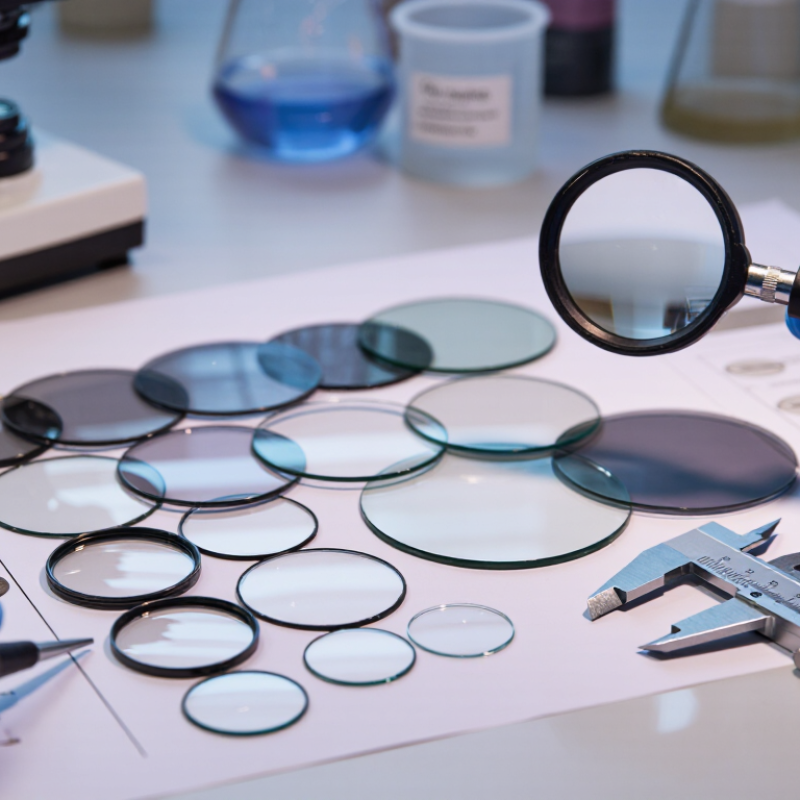
7 Tips to Choose the Right AR Coating for Global Buyers?

Define the Optical and Environmental Needs of Your Application

Choosing the right AR coating begins with a clear definition of the application, not a catalog search. Identify the operating wavelength, acceptable reflection, transmission target, and viewing angle. A coating for a 532 nm sensor may perform poorly across a broadband camera system. Specify polarization, image contrast, and light intensity too. Small optical details can change the final result.

Environmental conditions matter just as much. Record temperature ranges, humidity, salt exposure, dust, cleaning methods, and mechanical vibration. Outdoor equipment may face strong sunlight, sudden temperature changes, and abrasive particles. Indoor instruments still encounter fingerprints, solvents, and repeated wiping. Ask how often the coated surface will be cleaned. This detail is often missed.

I once focused on peak transmission and overlooked edge reflections. The test result looked excellent, but the assembled instrument produced unwanted ghost images. That mistake changed our evaluation process. Test samples should represent the real substrate, curvature, mounting stress, and light source. Laboratory data alone is not enough. Request durability evidence, measurement conditions, and tolerance ranges from the coating supplier. Also check whether performance remains stable after thermal cycling and humidity exposure. Perfect specifications can still fail in imperfect assemblies.

Compare AR Coating Types by Wavelength, Light Conditions, and Use

Choosing an AR coating starts with wavelength, not appearance. Visible-light coatings usually target the 400–700 nm range, matching the human eye’s operating window. The CIE photopic sensitivity curve peaks near 555 nm, so green-reflecting coatings can reduce visible glare effectively. However, that color is not proof of superior performance.

Consider the lighting environment. Under bright sunlight, a broadband coating can reduce reflections across the visible spectrum. For night driving, prioritize low residual reflectance and clean transmission around 500–600 nm, where headlights and visual sensitivity overlap. In offices, screen-focused coatings may address selected blue-violet wavelengths, but they should not replace good lighting habits. The 2019 WHO World Report on Vision estimates that at least 2.2 billion people live with near or distance vision impairment, making clear, comfortable eyewear a practical concern.

Use also changes the specification. Outdoor workers may need stronger abrasion resistance and stable performance under ultraviolet exposure. Digital users often value easy cleaning and reduced reflections more than a narrow wavelength filter. ISO 8980-4 provides requirements for spectacle-lens coatings, yet laboratory compliance cannot predict every user experience. A coating that performs well in controlled testing may feel disappointing in humid streets or under angled LED lights. That is the part buyers often overlook.

Test the coating with real lamps, screens, and sunlight angles. Small differences become obvious.

Evaluate Durability, Surface Protection, and Cleaning Requirements

For global buyers, AR coating selection should begin with real wear conditions, not only light-transmission claims. A 2024 optical coatings market assessment projects continued growth as eyewear, displays, and sensors demand clearer surfaces. That growth also raises quality expectations. Ask suppliers for abrasion, humidity, adhesion, and chemical-resistance test results. ISO 9211 provides a useful framework for evaluating environmental durability in optical coatings. However, laboratory performance may not match daily handling.

Surface protection depends on the substrate, coating stack, and final use. A coating facing frequent outdoor exposure needs stronger resistance to moisture, dust, and temperature changes. For spectacles or equipment screens, fingerprints and fine particles create practical risks. ASTM D1003 can help verify haze and light transmission, while abrasion tests reveal whether cleaning causes visible damage. Request results before purchase. A glossy sample can hide weak bonding.

Cleaning requirements deserve equal attention. The coating should tolerate the intended cleaning method, including water, diluted neutral detergent, and approved microfiber materials. Harsh solvents may attack surface layers. The 2023 Global Household Cleaning Products report indicates that convenience and frequent cleaning remain major consumer priorities, but convenience can encourage aggressive wiping. That trade-off is easy to miss. Define a cleaning cycle, such as 1,000 gentle wipes, and inspect haze afterward. No coating is perfect. In my experience, buyers often overvalue initial clarity and undervalue maintenance behavior. A slightly less brilliant coating may perform better over several years.

Check Compatibility with Glass, Plastic, and Optical Components

Choosing an AR coating starts with the substrate, not the catalog. Glass, plastic, and optical crystals react differently to heat, solvents, and coating stress. Match the coating’s refractive index to the substrate. Check transmission targets, wavelength range, surface curvature, and operating temperature. A coating designed for visible glass may perform poorly on polycarbonate. It may even crack after molding.

Test adhesion and abrasion resistance on the actual material. ISO 9211 provides testing principles for optical coatings, including environmental durability. Use its methods as a baseline, then add real handling conditions. Rub samples with the intended cleaning solution. Expose them to humidity and thermal cycling. Small lenses deserve full testing too. Their edges often reveal weak adhesion first. I have seen a visually perfect sample fail after repeated wiping.

Data also supports careful specification. Grand View Research’s 2024 optical coatings analysis identifies consumer electronics, imaging, and solar systems as major demand areas. These applications require different spectral performance and durability. Specify average reflectance, not only peak reflectance. For example, a camera lens may need low reflection across 400–700 nanometers. A laser component needs a narrower, more controlled band. Confirm coating thickness, allowable haze, and cosmetic limits before approval. ASTM durability data can help, but it cannot replace testing on your final substrate. A perfect match on paper can still fail in production. My own process sometimes moves too quickly at this stage. That is where better documentation matters.

Verify Supplier Quality, Customization, Testing, and Total Cost

Choosing an AR coating for global projects requires more than comparing reflection rates. Supplier quality should be verified through documented processes, stable batch records, and traceable raw materials. Ask for recent inspection reports, not only promotional data. A reliable supplier can explain coating uniformity, adhesion results, and acceptable defect limits in clear language.

Customization matters when lenses face different conditions. Confirm the substrate, coating wavelength range, viewing angle, edge coverage, and required color appearance. Request coated samples that match your actual lens shape. A small sample can reveal unexpected tint or uneven coverage. It is easy to overlook packaging during customization.

Testing should reflect real use. Check abrasion resistance, humidity exposure, temperature cycling, and cleaning durability. For outdoor products, salt-spray or UV testing may be relevant. Review test methods, sample sizes, and testing dates. A report without traceability is weak evidence. Independent verification can reduce risk, although it adds time and cost.

Total cost includes more than the quoted coating price. Calculate sample fees, tooling, inspection, packaging, shipping, import charges, and possible rework. Ask about minimum order quantities and replacement terms. High yield can matter more than a low unit price. In practice, buyers sometimes compare suppliers too quickly and ignore production delays. I have seen attractive quotations become expensive after rejected batches and urgent freight. A simple cost sheet helps, but it will not predict every problem. Leave room for uncertainty.

FAQS

What information should be defined before choosing an AR coating?

Identify the operating wavelength, target transmission, acceptable reflection, viewing angle, and light intensity. Polarization matters too. Small optical details can change the final image.

Why can a coating designed for one wavelength perform poorly elsewhere?

A coating optimized near 532 nm may not work well across a broadband camera system. Its reflection control is wavelength-dependent. The catalog color is not enough.

Which environmental conditions should be considered?

Record temperature, humidity, salt exposure, dust, cleaning methods, and mechanical vibration. Outdoor surfaces may face sunlight, thermal changes, and abrasive particles. Indoor surfaces still meet fingerprints and solvents.

Why should cleaning frequency affect the coating choice?

Repeated wiping can increase wear, especially when dust sits on the surface. A frequently cleaned lens needs strong abrasion resistance and easy maintenance. This detail is often missed.

What wavelength range is common for visible-light AR coatings?

Many visible-light coatings target approximately 400–700 nm. Human visual sensitivity is strongest near 555 nm. Green appearance alone proves nothing.

How should coatings be evaluated for bright sunlight or nighttime viewing?

Bright sunlight usually favors broadband reflection reduction across visible wavelengths. Night driving needs low residual reflection around 500–600 nm. Test real lamp angles.

What should digital users consider when selecting a coating?

Screen users may value reduced reflections and easy cleaning more than a narrow wavelength filter. Good room lighting remains important. The coating cannot fix every visual problem.

Why should coating samples match the final optical assembly?

Test samples should represent the actual substrate, curvature, mounting stress, and light source. A flat laboratory sample may hide edge reflections. Ghost images can appear later.

What evidence should be requested from a coating supplier?

Request durability data, measurement conditions, tolerance ranges, and results after thermal cycling. Humidity exposure should also be tested. Perfect specifications can still fail.

How can buyers avoid trusting laboratory results too much?

Test the coating with real screens, lamps, sunlight angles, and cleaning routines. Controlled data is useful, but real assemblies are messier. My earlier evaluation missed edge reflections.

Conclusion

Choosing the right Ar Coating begins with a clear understanding of your application’s optical and environmental requirements. Define the target wavelength range, operating light conditions, angle of incidence, temperature, humidity, and exposure to dust or chemicals. Then compare coating types according to their performance in visible, ultraviolet, or infrared applications, while considering whether single-layer, multilayer, or broadband solutions are most appropriate. Durability is equally important, so evaluate scratch resistance, adhesion, surface protection, and cleaning requirements before making a decision.

Compatibility with the substrate should also be confirmed, including glass, plastic, lenses, filters, and other optical components. Global buyers should assess the supplier’s quality controls, customization capabilities, coating uniformity, inspection methods, and testing documentation. Request samples or performance data when possible, and review lead times, packaging, shipping conditions, and after-sales support. Finally, compare total cost rather than unit price alone, including installation, maintenance, replacement, and long-term reliability. A careful evaluation helps ensure the selected Ar Coating delivers stable optical performance and practical value.

Henry

Henry

Henry is a dedicated marketing professional with a profound expertise in the company's offerings. With years of experience in the industry, he possesses an impressive understanding of the market dynamics and consumer behaviors that drive success. Henry is committed to sharing his insights through......