1 / 3
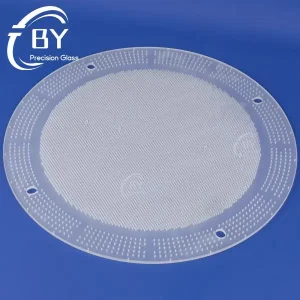
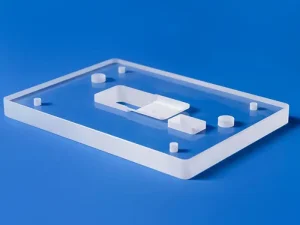
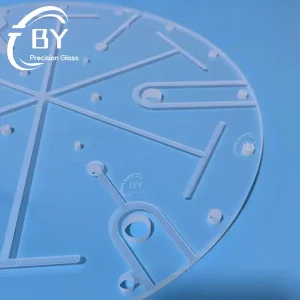
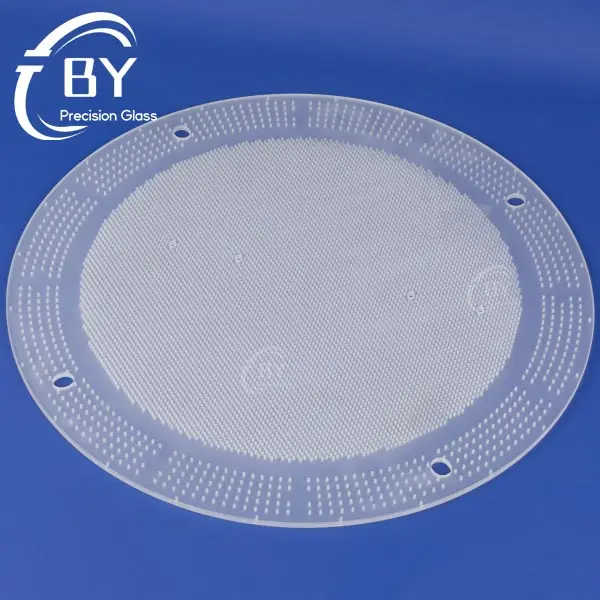
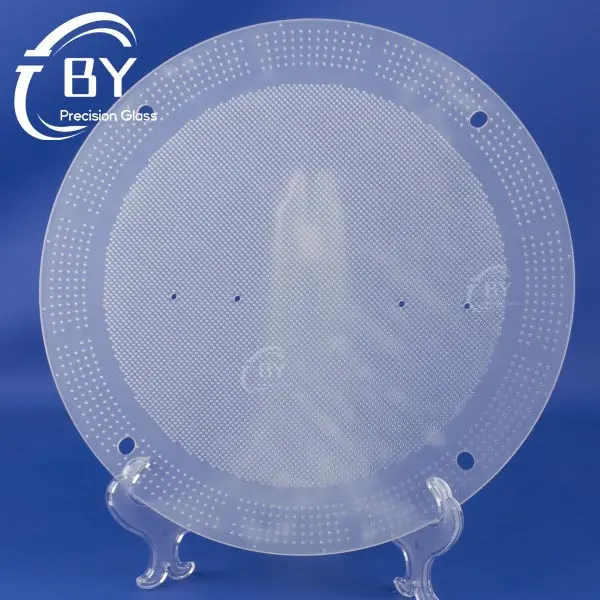
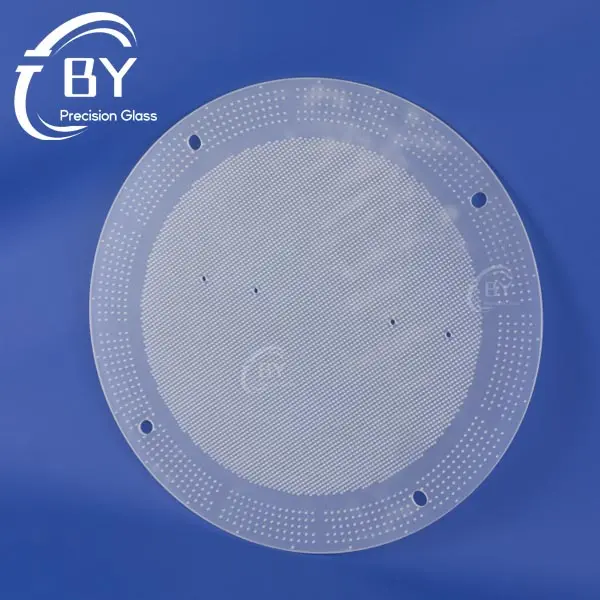
Custom Custom Optical Quartz Gas Distribution Plate Manufacturer, Suppliers
Product Description
Related Products
01
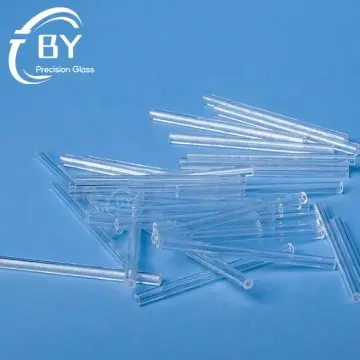
Custom Precision Quartz Capillary Tubes
02
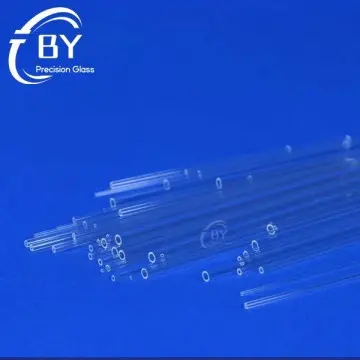
Fluorine-Doped Fused Silica Capillary Tube
Frequently Asked Questions
Q1: What are precision quartz capillary tubes commonly used for?
Precision quartz capillary tubes are widely used in gas chromatography, electrophoresis, optical fiber communication, medical diagnostic instruments, microfluidics, and precision dispensing applications due to their exceptional dimensional accuracy and chemical inertness.
Q2: What is the main advantage of Fluorine-Doped Fused Silica Capillary Tubes?
Fluorine doping lowers the refractive index of fused silica, enabling the tube to act as a cladding material in optical waveguiding systems, while also enhancing UV transmission and radiation resistance compared to standard glass.
Q3: What tolerances can be achieved for custom precision quartz tubes?
Custom fabrication allows for extremely tight tolerances, with inner diameter (ID) and outer diameter (OD) tolerances controlled down to ±0.001 mm to ±0.005 mm depending on specific profile dimensions and requirements.
Q4: Can quartz capillary tubes withstand high operating temperatures?
Yes, quartz tubes exhibit excellent thermal stability, withstanding continuous working temperatures up to 1100°C and short-term peak temperatures up to 1250°C, alongside an extremely low thermal expansion coefficient that prevents thermal shock.
Q5: Can end faces be cut and polished according to custom requirements?
Yes, capillary tubes can be provided with precision saw cuts, laser cleaving, fire-polished ends, or optical-grade flat and angled (e.g., 8° APC) polishes to meet optical interface requirements.
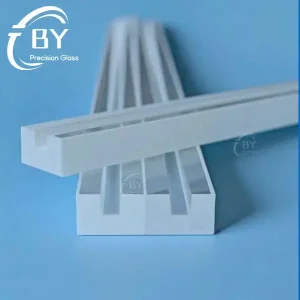
Q6: Are customized shapes and multi-bore profiles supported?
Custom manufacturing supports single-bore, multi-bore (such as dual-bore or four-bore), square, rectangular, and D-shaped profiles based on technical drawings and application specifications.