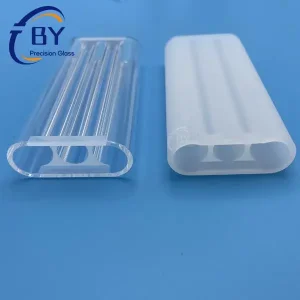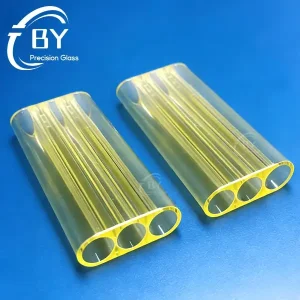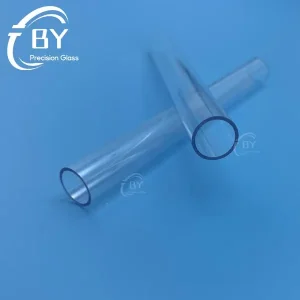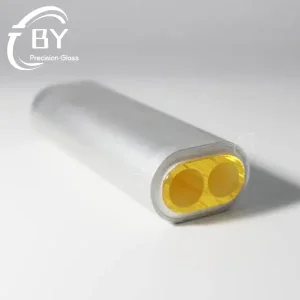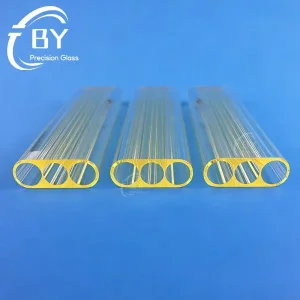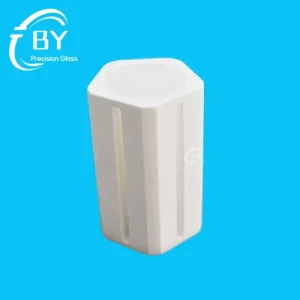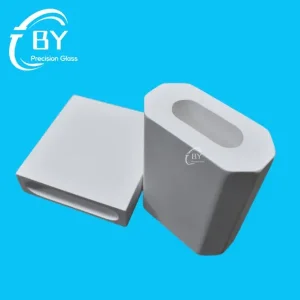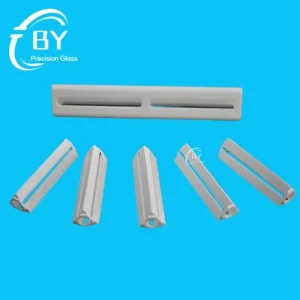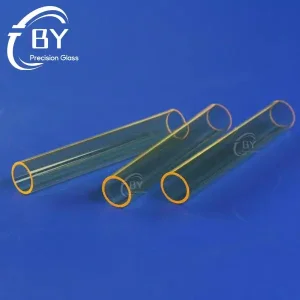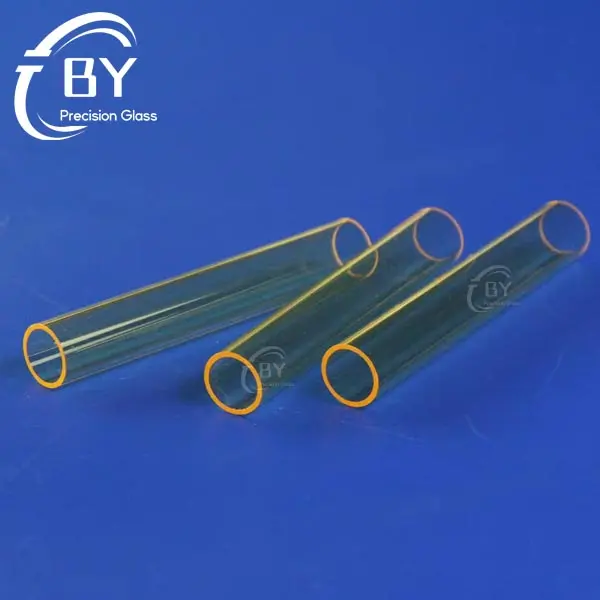
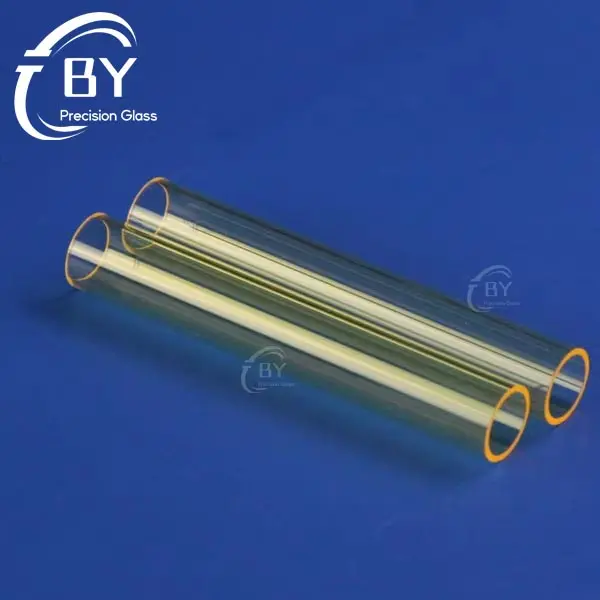
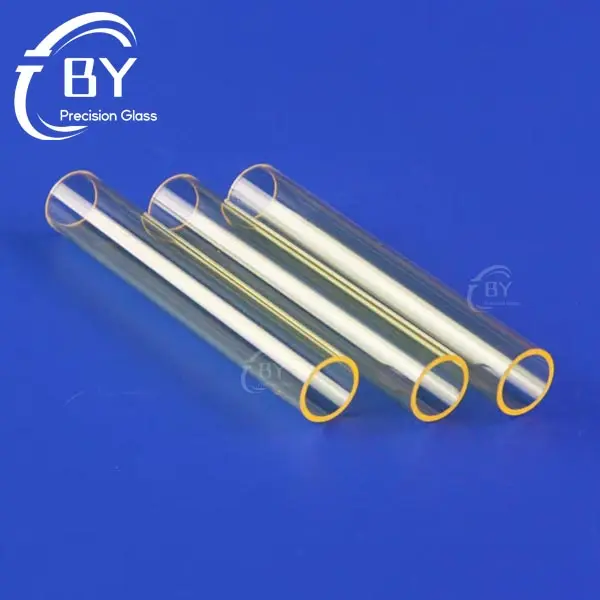
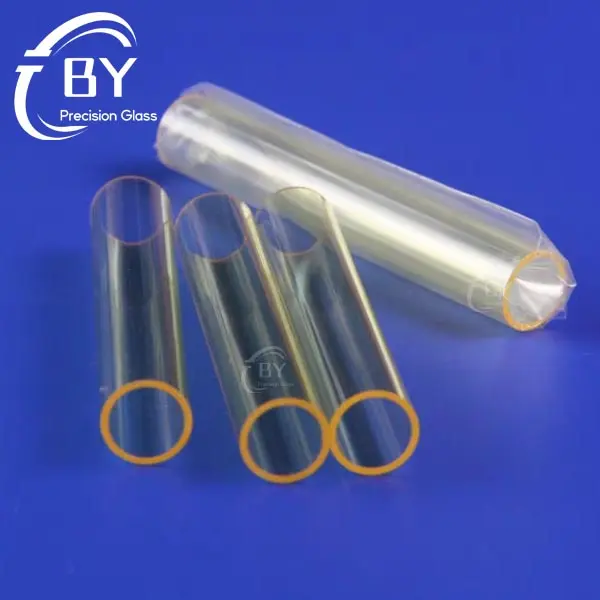
Custom UV Block Yellow Quartz Tube for IPL Lamp Flow Handle Manufacturer, Factories
Product Description
Related Products
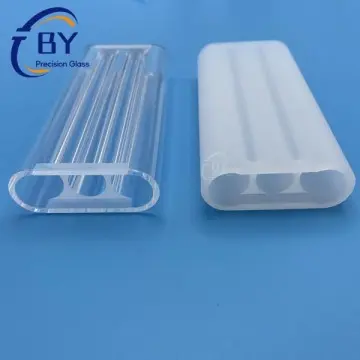
Candela Laser Head Triple Bore Old and New Version In Stock
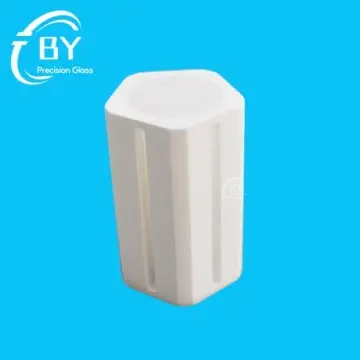
Diffuse High‑Reflectivity PTFE Reflectors for Diode‑Pumping Chambers
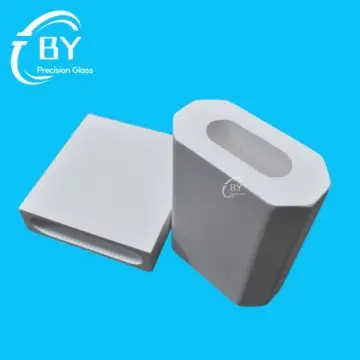
Diffuse Reflectors Made of Spectralon‑Grade PTFE for Diode‑Pumping Chambers
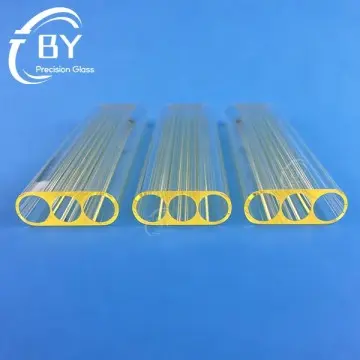
Laser Cavity Flow Tubes & Filters Made from Samarium-doped Glass
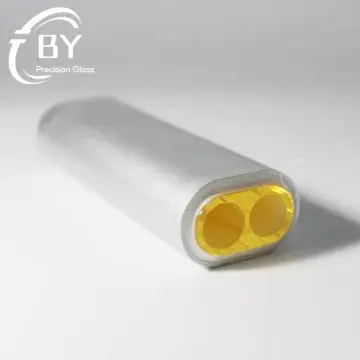
Packed Laser Cavity Flowtubes for Laser Head
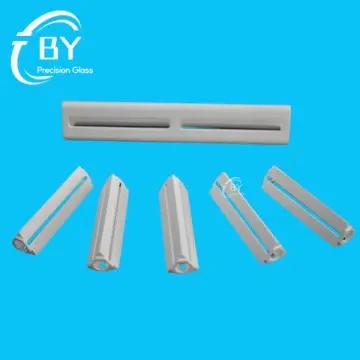
Diode‑Pumping Chamber Diffuse Reflectors PTFE‑based
Frequently Asked Questions
What are the primary applications of PTFE diffuse reflectors in laser systems?
PTFE diffuse reflectors provide exceptionally high lambertian reflectance across ultraviolet, visible, and near-infrared spectra. They are primarily utilized in diode-pumped solid-state (DPSS) laser cavities to maximize pumping efficiency and improve laser beam uniformity.
Why is Samarium-doped glass used for laser flow tubes and filters?
Samarium-doped glass selectively absorbs unwanted parasitic emissions (such as 1064 nm radiation) while transmitting the necessary pump bands. This suppresses amplified spontaneous emission (ASE), protects the flashlamp, and enhances operational stability in high-energy laser heads.
How do old and new versions of Candela triple bore laser heads differ?
Differences typically pertain to mechanical mounting dimensions, internal cooling flow channels, and optical aperture configurations. Both variants are engineered to optimize cooling and alignment consistency for medical laser maintenance and replacement routines.
What maintenance is required for laser cavity flow tubes?
Cavity flow tubes must be inspected regularly for solarization, contamination, or mineral scaling caused by cooling water. Proper cleaning with optical-grade solvents and periodic replacement ensure maximum beam quality and laser output stability.
Can PTFE pumping chambers withstand continuous high-power operation?
Yes, high-grade optical PTFE materials feature high chemical inertness, high thermal stability, and low degradation under intense optical radiation, making them suitable for long-term integration in high-repetition-rate pumping chambers.