
High-Priority Precision Quartz & Optical Assemblies for Kenya
Pre-calibrated standard pathlength optical absorption vessels, doped laser flow components, and custom spectroscopic cells currently supplied to diagnostic centers and research facilities in Kenya.
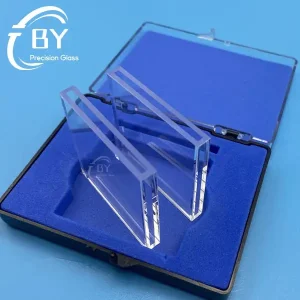
Precision UV-Vis Quartz Cuvettes for Spectrophotometer Applications in Kenya Labs
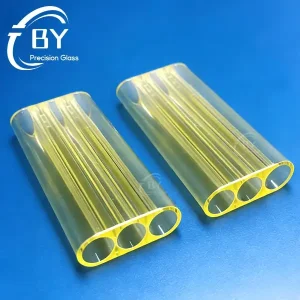
Medical-Grade Samarium-Doped Quartz Triple Bore for Clinical Laser Systems Kenya
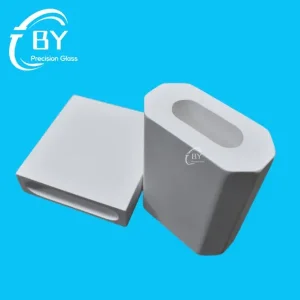
Spectralon-Grade PTFE Diffuse Reflectors for Kenyan Laser Spectroscopy & Pumping
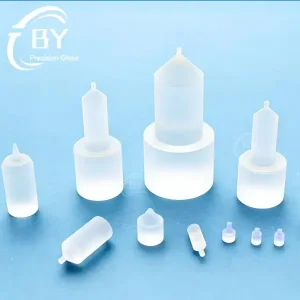
Fused Silica Quartz Fiber End Caps for Telecom & Industrial Fiber Optics Kenya
Spectrophotometric Infrastructure in Kenya: Market Dynamics & Modernization
An authoritative engineering assessment of photometric optical cell demand, analytical supply bottlenecks in East Africa, and the critical transition toward synthetic fused silica instrumentation.
Local Kenyan Market Realities
Kenya is established as the principal hub of economic, scientific, and medical diagnostics across East Africa. With prominent government institutions such as the Kenya Bureau of Standards (KEBS), the Kenya Agricultural & Livestock Research Organization (KALRO), and the Kenya Medical Research Institute (KEMRI), demand for photometric consumables has surged. However, local laboratories have historically faced severe delays from indirect distributor tiers, high freight markups, and premature optical cell clouding caused by low-grade borosilicate or adhesive-bonded cells failing under aggressive cleaning regimes.
Global Metrology Paradigm
Worldwide analytical labs have systematically retired disposable polymethyl methacrylate (PMMA) and polystyrene (PS) cuvettes for critical quantitative testing due to severe solvent degradation, meniscus distortion, and UV cutoff limitations (λ < 280 nm). The global benchmark demands synthetic fused silica (JGS1) with pathlength consistency within ±0.005 mm and flame-fused joints capable of withstanding repetitive cleaning in aqua regia or piranha solution without optical window delamination.
East Africa Technology Evolution
Kenya's analytical roadmap is transitioning rapidly from manual static spectrophotometry to automated continuous-flow injection analysis (FIA), high-performance liquid chromatography with diode-array detection (HPLC-DAD), and real-time process monitoring. This architectural shift creates a direct need for high-pressure, bubble-purging micro-flow cells with active internal volumes as low as 8 μL, fitted with standard 1/4-28 UNF or M6 threaded fluidic couplings.
High-Purity Quartz Metallurgy & Precision Fusion Standards
A rigorous examination of optical glass grades, spectral transmission profiles, and thermal fusion methodologies required for uncompromised photometric reproducibility.
| Quartz Material Classification | Transmission Band (T ≥ 80%) | Hydroxyl [OH¯] Concentration | Bonding Technology | Recommended Kenyan Analytical Domain |
|---|---|---|---|---|
| JGS1 (Synthetic Fused Silica) | 190 nm – 2,500 nm Deep UV Certified | < 5 ppm (Bubble Class 0) | Molecular Direct Fusion / Oxyhydrogen | Clinical DNA/RNA purity (A260/A280), Agrochemical pesticide residues via HPLC-UV |
| JGS2 (Optical Grade Fused Quartz) | 220 nm – 2,500 nm | ≈ 30 – 150 ppm | Thermal Flame Weld | Municipal potable water testing, BOD/COD monitoring, soil fertilizer phosphate determination |
| JGS3 (Infrared Grade Quartz) | 260 nm – 3,500 nm Water-Peak Free | < 1 ppm (Dry Silica) | High-Vac Direct Sinter | Olkaria geothermal brine hydrocarbon analysis, petrochemical testing at Port of Mombasa |
| Optical Borosilicate (BK7 Equivalent) | 340 nm – 2,000 nm | N/A (Multi-component) | Precision Optical Cement / Epoxy | Educational training institutions (UoN, JKUAT, Kenyatta University) routine Vis colorimetry |
Why Joint Architecture Dictates Cuvette Lifespan in Equatorial Climates
Conventional, budget-tier optical cuvettes frequently rely on adhesive bonding (UV-cured epoxy resins) to fuse the polished optical windows to the matte side walls. In the humid, warm testing labs of the Kenyan Coast or Western Kenya, as well as during routine autoclaving and harsh acid washes (6 M HNO3 or chromic sulfuric acid mixtures), epoxy bonds swell, hydrolyze, and develop micro-cracks. This failure causes beam scattering, optical baseline drift, and catastrophic leakage into sensitive spectrometer detector compartments.
Tianjin BY Photonics implements Oxyhydrogen Thermal Molecular Fusion for all analytical quartz cuvettes and flow cells. Under ultra-pure hydrogen-oxygen flames exceeding 1,750 °C, optical windows and lateral bodies fuse seamlessly without any foreign adhesive intermediate. The resultant monolithic vessel shares uniform coefficients of thermal expansion (5.5 × 10⁻⁷ / °C), eliminating thermal stress delamination, enabling complete autoclavability at 121 °C, and ensuring optical pathlength integrity across hundreds of clean-down cycles.
Mission-Critical Optical Testing Scenarios Across Kenya
Direct alignment of precision optical vessels with Kenya's primary industrial, agricultural, public health, and ecological infrastructure nodes.
Horticultural Export Trace Residue Analysis (Naivasha, Mt. Kenya, Kericho)
Kenya is one of the world's leading suppliers of cut flowers, black tea, and fresh produce to the European Union and UK. Strict EU Maximum Residue Limits (MRL) for pesticides, fungicides, and heavy metals demand exhaustive HPLC-DAD and UV-Vis spectrophotometry testing.
- Pathlength Selection: 10 mm and 50 mm ultra-pure JGS1 quartz cells for sub-ppm organophosphate absorbance detection.
- Flow Cell Need: Micro-volume (10 μL, 10 mm path) flow-through cells for continuous automated fractionation lines.
- Chemical Resistance: Zero leaching in acetonitrile, methanol, hexane, and acidic buffers during mobile-phase transitions.
Infectious Disease Surveillance & Blood Chemistry (Nairobi & Eldoret)
National healthcare centers, clinical trial networks, and teaching hospitals (including KEMRI, Kenyatta National Hospital, and Aga Khan University Hospital) require dependable photometric accuracy for enzyme assays, viral load estimation, and therapeutic drug monitoring.
- Nucleic Acid Quantification: Sub-micro spectrophotometer cuvettes (0.5 μL to 5 μL) with Z-height of 8.5 mm or 15 mm for DNA/RNA 260/280 nm ratios.
- Continuous Flow Cells: Debubbling geometry optimized for continuous clinical auto-analyzers, preventing spurious absorbance spikes.
- Calibration Assurance: Certified transmission tolerances compliant with ISO 17025 validation protocols.
Geothermal Fluid Hydrochemistry (Olkaria & Menengai Caldera)
KenGen's world-leading geothermal operations at Olkaria in the Great Rift Valley require constant photometric monitoring of high-enthalpy geothermal brines to prevent silica scale formation and monitor boron, sulfate, and hydrogen sulfide concentrations.
- Thermal Resilience: Synthetic fused quartz flow tubes and viewing cells capable of operating up to 250 °C without crazing.
- Corrosion Immunity: Impervious to dissolved silica, dissolved salts, and carbonic acids present in geothermal effluents.
- Demountable Quartz Cells: Easily disassembled for mechanical de-scaling and mechanical polish restoration without frame distortion.
Surface Water & Municipal Potable Verification (Lake Victoria & Nairobi Water)
Water quality authorities and environmental agencies (NEMA, Nairobi City Water and Sewerage Company, Lake Victoria Basin Commission) monitor eutrophication, nitrate runoff, industrial effluents, and potable water safety across rural and urban watersheds.
- Long-Path Photometry: 50 mm and 100 mm rectangular quartz absorption cells for detecting low-absorbance trace contaminants.
- Turbidity & Colorimetry: Multi-sided polished flow cells compatible with simultaneous 90° nephelometry and transmission testing.
- Ruggedization: Scratch-resistant fused optical faces resistant to suspended mineral particulates in unpurified river water.
Overcoming East African Procurement & Cold-Chain Fragility Obstacles
How direct engineered export workflows eliminate transit vibration fractures, customs inspection delays, and optical baseline deviations.
Hermetic Anti-Shock Packaging
Optical quartz surfaces are highly susceptible to triboelectric dust attraction and micro-fissuring during international transit across high-altitude flight routes to Jomo Kenyatta International Airport (NBO). We utilize military-grade antistatic vacuum encapsulation, paired with custom CNC closed-cell EVA foam carriers and desiccated outer cases, guaranteeing zero moisture haze and 0% transit breakage rate.
KEBS Traceability & Calibration
Under Kenya's Pre-Export Verification of Conformity (PVoC) regime, laboratory consumables must meet rigorous standards. Every batch of cuvettes and flow cells exported by BY Photonics is provided with serialized optical inspection certificates, dimensional baseline reports, and spectrophotometric absorbance charts traceable to international metrological institutes.
Fast Direct Freight to Nairobi & Mombasa
By bypassing third-party European intermediaries that inflate landed costs and lead times by up to 16 weeks, we offer direct air courier dispatch (DHL, FedEx, Emirates SkyCargo) delivering straight to institutional procurement desks in Nairobi, Kisumu, Nakuru, and Mombasa within 5 to 7 business days from dispatch.
Precision Flow Tubes, Reflectors & Custom Quartz Fabrication
Engineered optical assemblies, cavity flow units, and high-temperature viewing substrates supporting analytical chemistry, medical aesthetic lasers, and high-power industrial systems serving Kenya.
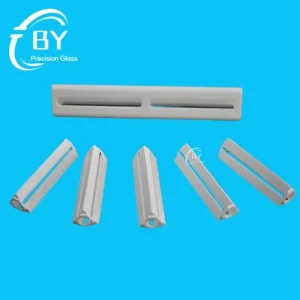
PTFE-Based Diode Pumping Chamber Diffuse Reflectors for Analytical R&D in Kenya
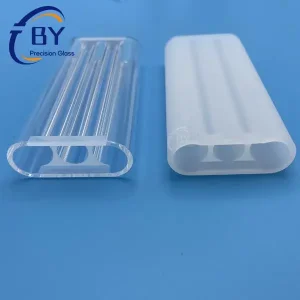
Candela-Type Aesthetic Laser Head Triple Bore Tubes for Nairobi Dermatology Clinics
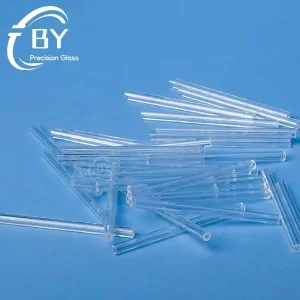
High-Precision Quartz Flow Capillary Tubes for Kenyan Chromatography & Microfluidics
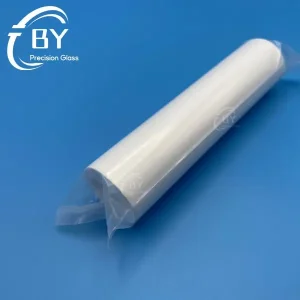
High-Reflectance Ceramic Laser Cavity Reflectors for Kenyan Hospital Equipment MRO
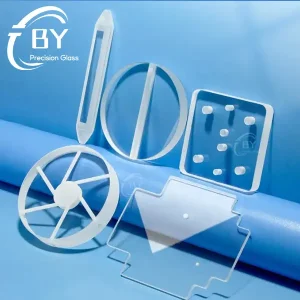
Thermal Shock Resistant Custom Quartz Flow Cells & Glassware for Olkaria Geothermal Labs
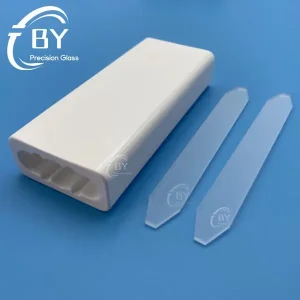
Industrial & Medical Ceramic Cavity Flow Inserts Serving East Africa OEM Operations
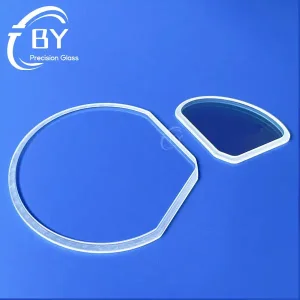
Corrosion-Proof Sapphire & Quartz Flow Cells for Kenyan Agro-Chemical Quality Testing
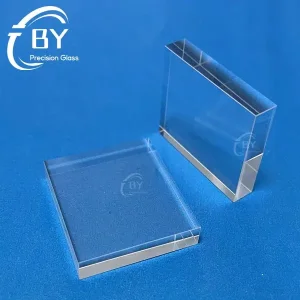
Optical Grade Sapphire & Quartz Flow Blocks for Scientific & Clinical Diagnostics in Kenya
Frequently Answered Questions for Kenyan Procurement & Lab Teams
Practical metrological and operational guidance for analytical laboratory managers and procurement officers across Kenya.
What is the fundamental difference between optical glass, standard quartz, and JGS1 synthetic fused silica cuvettes? +
How do Tianjin BY Photonics quartz cuvettes withstand aggressive chemical cleaning in equatorial laboratories? +
Can you provide matched pairs of cuvettes with guaranteed identical optical transmission? +
How are continuous flow cells protected against bubble accumulation in high-throughput liquid chromatography? +
What are the standard shipping arrangements, lead times, and customs documentation for Kenyan buyers? +
Can you manufacture custom optical flow cells according to our university or OEM instrument CAD drawings? +
Accelerate Your East African Optical Procurement
Consult with our senior precision optics engineers today. Whether you require standard replacement UV-Vis cuvettes for your laboratory spectrophotometers or complex custom quartz flow cells machined to micron tolerances, we guarantee uncompromising quality and direct delivery across Kenya.