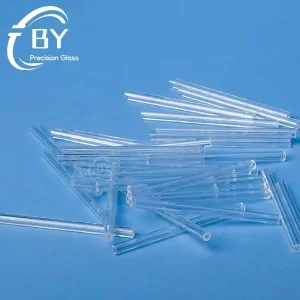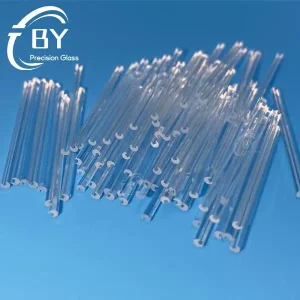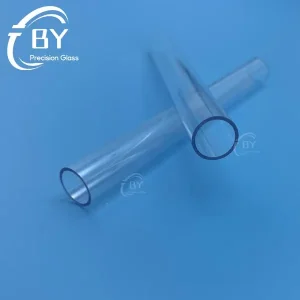
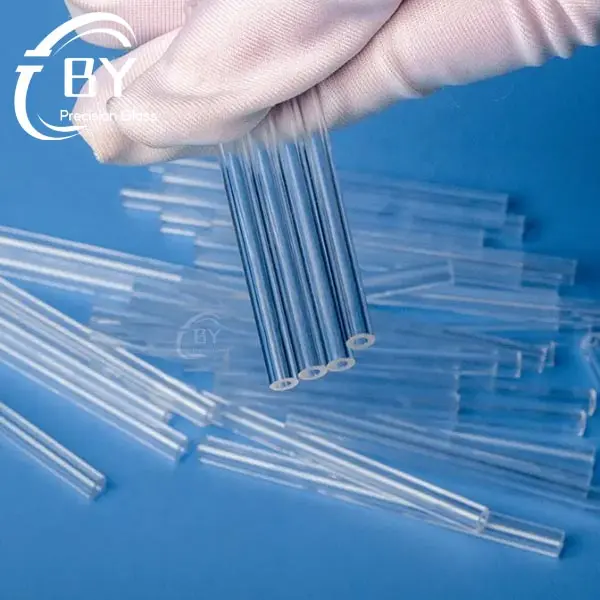
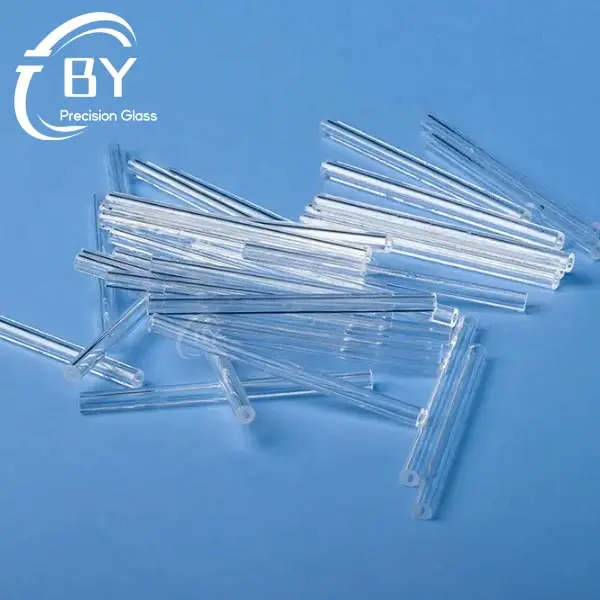
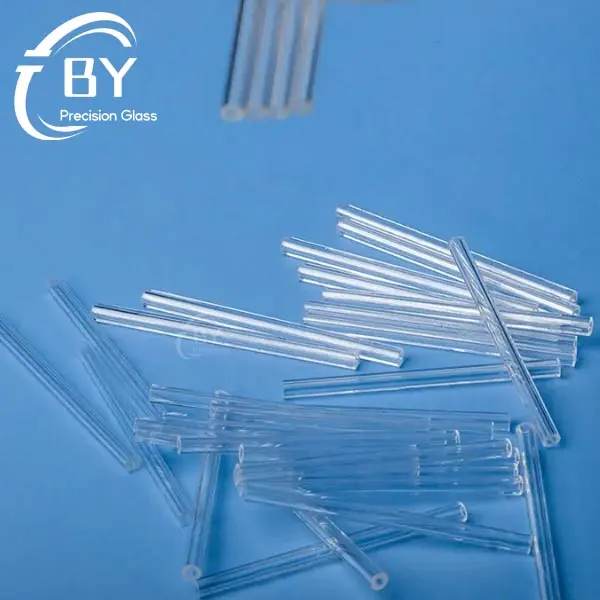
High-Quality Custom Precision Quartz Capillary Tubes Manufacturers, Suppliers
Product Description
Related Products
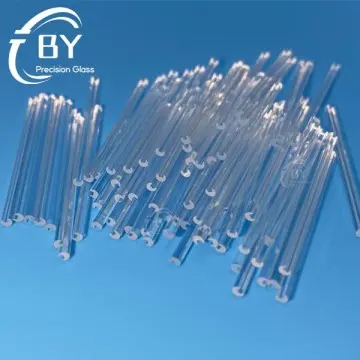
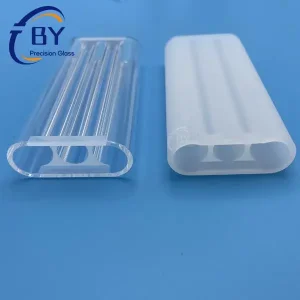
Quartz Substrate Groove Use For Optical Fiber Coupler
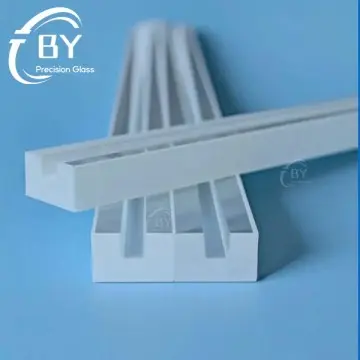
Square Groove Quartz Substrate for Fiber Couplers
Frequently Asked Questions
Q: What is the purpose of a quartz substrate groove in optical fiber couplers?
A quartz substrate groove provides precise physical alignment and mechanical stability for bare optical fibers during the fusion or coupling process, ensuring consistent optical performance and minimal insertion loss.
Q: Why is fused quartz preferred over standard optical glass for coupler substrates?
Fused quartz features an ultra-low coefficient of thermal expansion (CTE) closely matched to silica optical fibers, excellent thermal shock resistance, and high geometric stability under elevated operational temperatures.
Q: What is the difference between square groove and V-groove quartz substrates?
Square groove substrates are commonly designed for specific planar ribbon fibers or multi-fiber arrays requiring flat-bottom containment, whereas V-grooves provide self-centering alignment ideal for single or dual standard circular fibers.
Q: Can quartz substrate groove dimensions and surface finishes be customized?
Yes, substrate dimensions, groove width, groove depth, and edge finishes can be custom-machined with high-precision micro-grinding and polishing to meet micron-level tolerances required by fiber coupler designs.
Q: How do quartz substrates enhance the long-term reliability of fiber components?
Due to their chemical inertness, moisture resistance, and mechanical rigidity, quartz substrates prevent fiber micro-bending, strain drift, and package degradation under fluctuating environmental conditions.