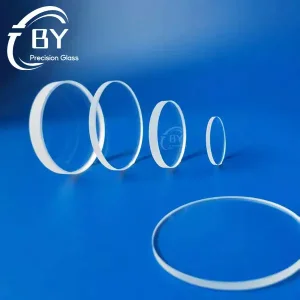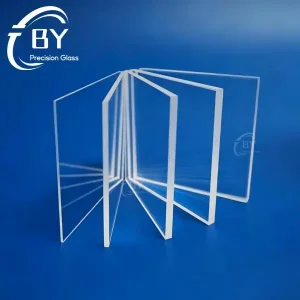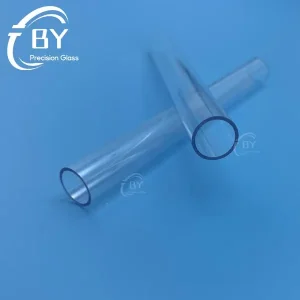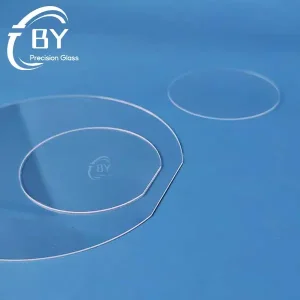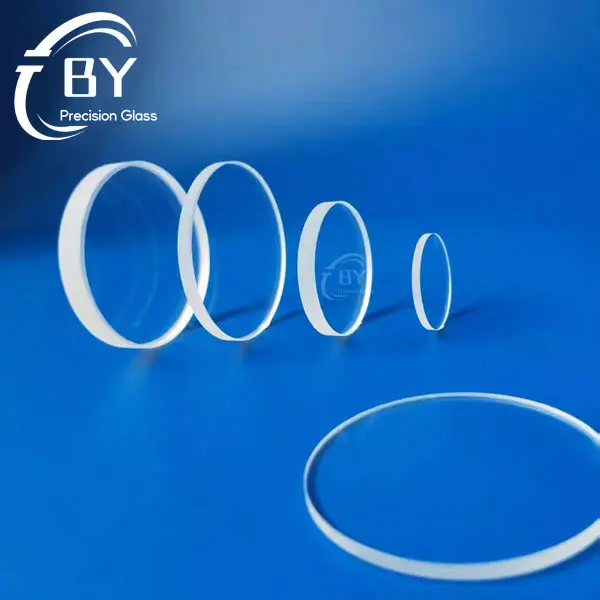
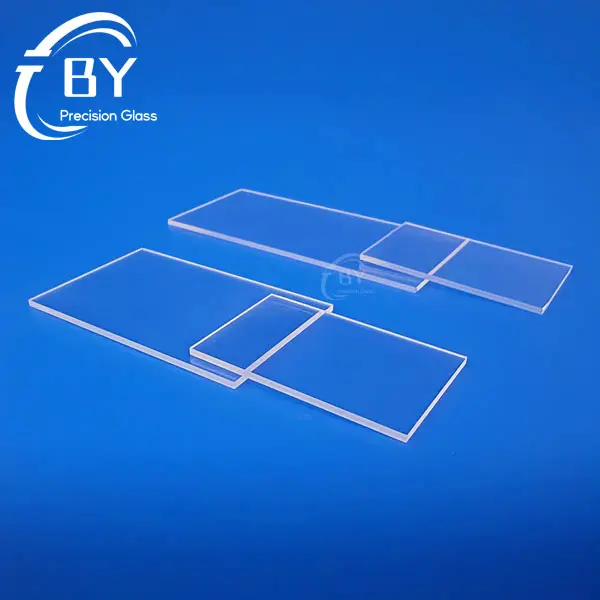
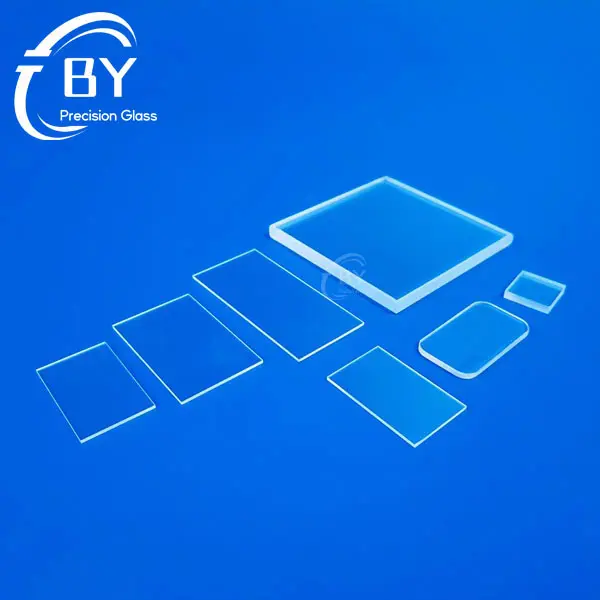
Wholesale Quartz Optical Windows for Semiconductor Lithography Equipment Suppliers, Factories
Product Description
Related Products
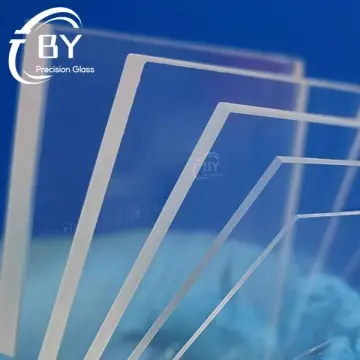
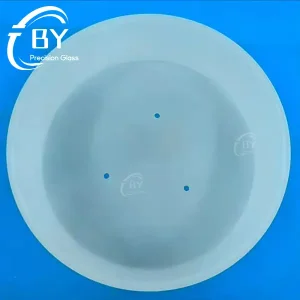
Borosilicate Windows and Plates for Viewports
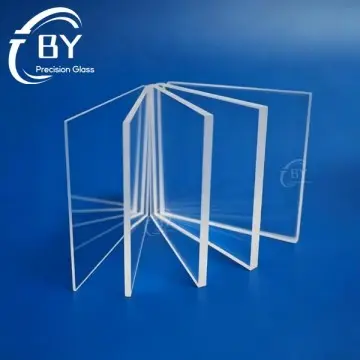
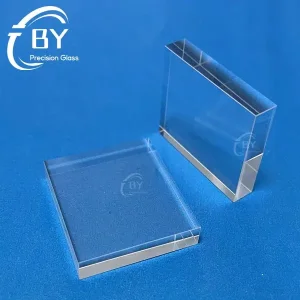
JGS1 UItraviolet (UV) Grade Fused Silica Plate
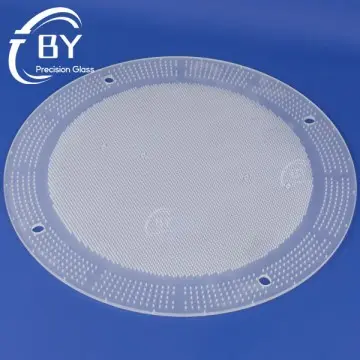
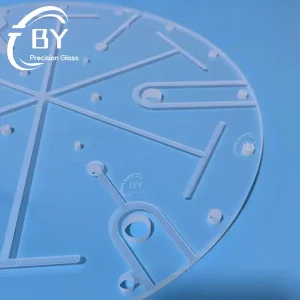
Custom Optical Quartz Gas Distribution Plate
Frequently Asked Questions (FAQ)
What are the main performance advantages of borosilicate viewport windows?
Borosilicate windows feature low thermal expansion, excellent resistance to thermal shock, high chemical durability, and high optical transparency across the visible and near-infrared spectrum, making them ideal for high-temperature and vacuum viewports.
What optical range does JGS1 ultraviolet grade fused silica cover?
JGS1 fused silica is optimized for deep ultraviolet and visible light applications, offering exceptional optical transmission in the range of 185 nm to 2500 nm without absorption bands in the UV spectrum.
Can optical quartz gas distribution plates be custom-machined?
Yes, custom quartz gas distribution plates can be precision-fabricated to technical drawings, including micro-hole drilling, groove patterns, polished surfaces, and specific dimensional tolerances for semiconductor and chemical processing equipment.
What surface quality and flatness standards are achievable for fused silica plates?
Optical grade fused silica plates can be precision polished to achieve surface qualities ranging from 60/40 to 20/10 scratch-dig, with flatness tolerances up to lambda/4 or lambda/10 depending on the application requirements.
How do borosilicate glass and fused quartz compare in operating temperature?
Borosilicate glass typically supports continuous operating temperatures up to 450°C to 500°C, whereas high-purity optical fused quartz can withstand continuous operating temperatures up to 1100°C and short-term peaks up to 1300°C.