1 / 4
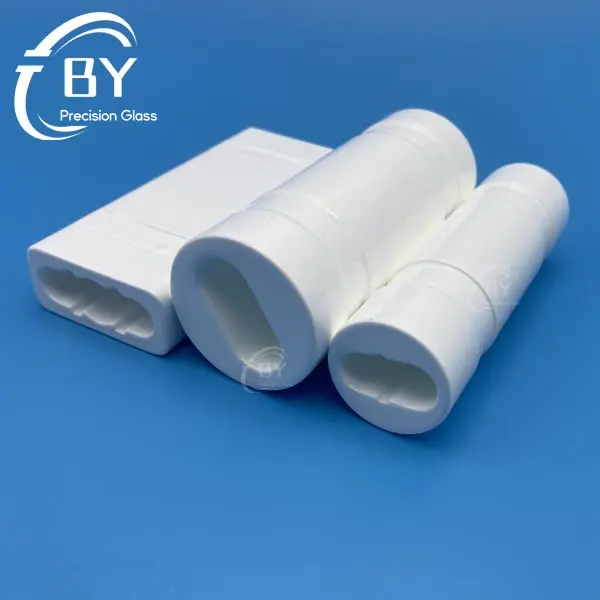
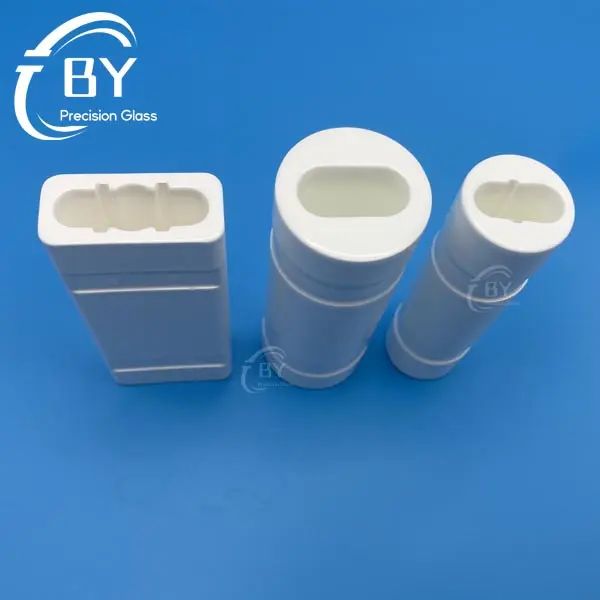
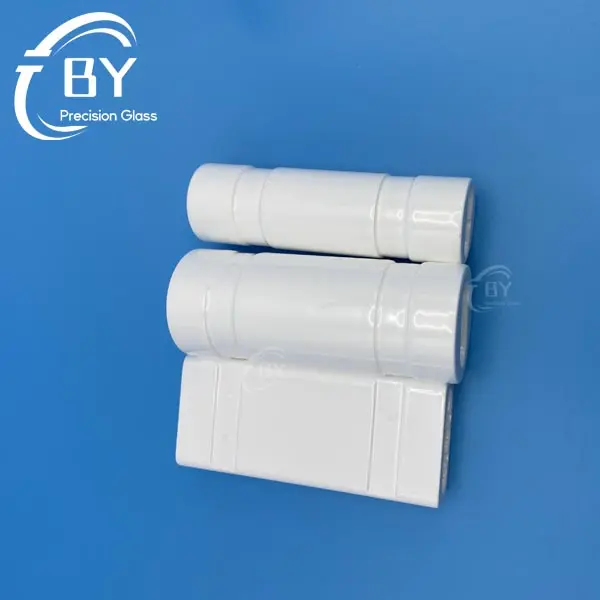
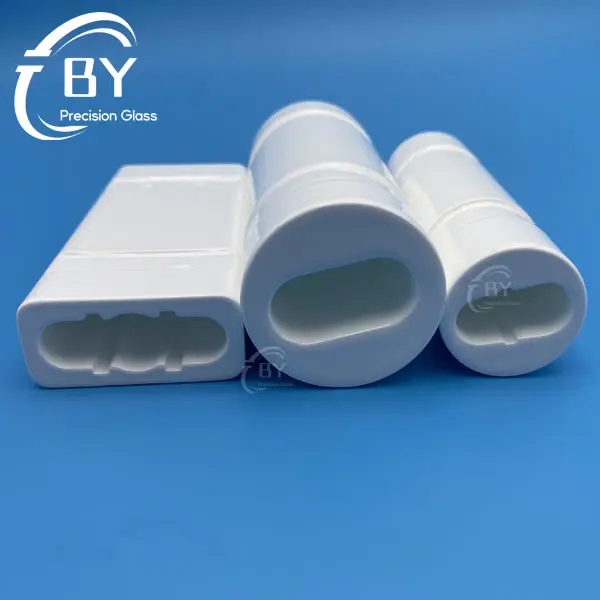
Wholesale Ceramics Reflecor for Semiconductor Lasers Suppliers, Factory
Product Description
Related Products
 01
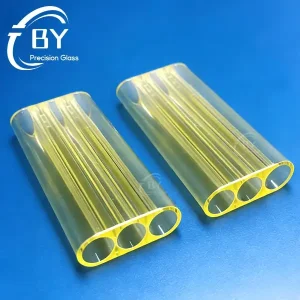
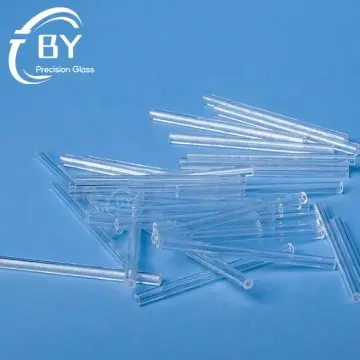
Custom Precision Quartz Capillary Tubes
 02
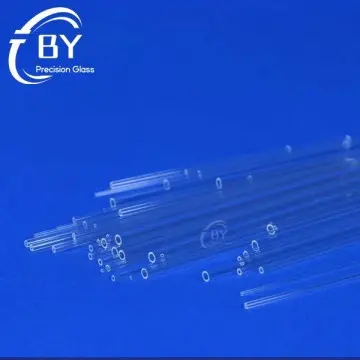
Fluorine-Doped Fused Silica Capillary Tube
Frequently Asked Questions
Q1: What are the key industrial applications for custom precision quartz capillary tubes?
Precision quartz capillary tubes are widely used in gas and liquid chromatography, optical fiber communications, biomedical analysis, electrophoresis, high-temperature sensor encapsulation, and microfluidic instrumentation due to their exceptional thermal stability and dimensional precision.
Q2: What unique advantages does fluorine doping provide to fused silica capillary tubes?
Fluorine doping reduces the refractive index of fused silica, optimizes optical waveguiding properties, and significantly increases resistance to deep-ultraviolet (DUV) radiation degradation and solarization, making them suitable for advanced photonic and laser systems.
Q3: What dimensional tolerances can be achieved during custom fabrication?
Custom manufacturing allows inner diameter (ID) and outer diameter (OD) tolerances down to micrometric precision (±0.001 mm to ±0.005 mm depending on specifications), maintaining superior concentricity and internal bore surface smoothness.
Q4: How do quartz capillaries perform under extreme thermal conditions?
Fused quartz offers an extremely low coefficient of thermal expansion and can withstand continuous working temperatures up to 1100°C (and peak temperatures up to 1250°C), retaining structural rigidity and resistance to thermal shock.
Q5: Are quartz capillary tubes resistant to chemical corrosion?
Yes, high-purity quartz exhibits chemical inertness to virtually all acids and organic solvents, with the exceptions of hydrofluoric acid and concentrated hot phosphoric acid, ensuring sample purity in analytical procedures.
Q6: What custom post-processing options are available for these capillary tubes?
Standard processing services include precision cutting, optical-grade end-face polishing, fire polishing, anti-reflective or protective coating application, precision beveling, and cleanroom vacuum packaging.